Adjustable Heated Shoulder Massage Brace for Daily Relief
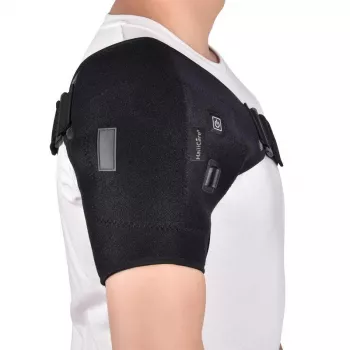
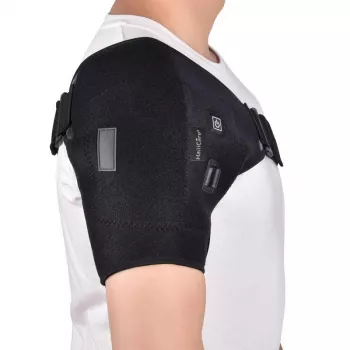
Adjustable Heated Shoulder Massage Brace: Comfort, Support, and Heat Relief for Daily Use
A heated shoulder brace can help take the edge off everyday soreness by combining gentle compression with warming heat and a wearable fit. Whether your shoulder feels “worked” after training, tight after long screen time, or simply stiff in a cold room, a wrap-style heated brace offers hands-free relief that’s easy to repeat. Below is a practical guide to what an adjustable heated shoulder massage brace does, who it suits, how to use it safely, and what to look for so it fits comfortably into your routine.
What a Heated Shoulder Massage Brace Does
A wearable heated shoulder brace focuses warmth where many people hold tension—around the upper shoulder, trapezius area, and the front of the joint. Heat can encourage muscles to relax and may make stiffness feel less intense after activity or prolonged sitting. Many designs also add light compression, creating a steady “hugging” sensation that can feel supportive during everyday tasks.
The biggest advantage is consistency: because it wraps on and stays put, it’s easy to use while seated at a desk, reading, or winding down at home—without needing to hold a massager in place. That said, it’s best suited for mild, non-emergency discomfort. Sudden injury, severe pain, numbness, or loss of strength should be evaluated by a clinician. For general guidance on when heat may be appropriate, see Mayo Clinic’s overview of heat therapy.
Who It’s Best For (and When to Skip It)
Heated shoulder braces tend to work well for common, low-grade issues: post-workout tightness, desk/posture-related fatigue, general soreness from repetitive motion (lifting, cleaning, yard work), or feeling stiff when temperatures drop. They’re also a solid option for anyone who prefers heat over topical products and wants a wrap-style brace rather than a handheld device.
Skip heat and seek guidance if there’s swelling, bruising, a recent acute injury, fever, open wounds, or known circulation problems—heat isn’t always appropriate in those situations. Extra caution is important with reduced sensation (for example, diabetes-related neuropathy), because it can be harder to notice when skin is getting too warm. If shoulder pain is persistent or accompanied by concerning symptoms, Cleveland Clinic’s shoulder pain resource outlines common causes and reasons to get checked.
Fit and Adjustability: Getting Comfortable Support
Comfort starts with fit. Aim for “snug, not restrictive”: the brace should feel secure, but it shouldn’t cause numbness, tingling, pulsing, or changes in skin color. If you feel pinching near the collarbone or armpit, loosen and reposition the straps—small adjustments can dramatically improve comfort.
Quick setup checklist
- Place the heat zone where soreness is most noticeable (often the upper trapezius or front shoulder).
- Adjust tension gradually—tighten in small steps rather than pulling everything as tight as possible at once.
- Check range of motion by slowly raising and lowering your arm; stop and loosen if there’s sharp pinching or restricted breathing.
- Layer strategically: if heat feels too intense, wear a thin shirt underneath; if heat feels too mild, reduce layers and ensure full contact.
Heat and Massage Use: Simple Routine for Daily Relief
Try pairing warmth with light mobility that doesn’t provoke pain: gentle shoulder blade squeezes (down and back), slow neck turns within a comfortable range, and relaxed breathing. If you’re using the brace after activity, wait until the body has cooled down. If the shoulder is freshly irritated or visibly swollen, cold is often used first, while heat is more commonly used for stiffness and tight-feeling muscles; Harvard Health’s heat and cold guide explains the general distinction.
Safety and Care
Adjustable Heated Shoulder Massage Brace: Specs at a Glance
If you want a budget-friendly option for targeted warmth and a wrap-style fit, the Adjustable Heated Shoulder Massage Brace is designed for convenient daily use. It can be a helpful comfort tool for everyday soreness, a warm-up before gentle mobility work, or a relaxing add-on after long screen time.
| Feature | Why it matters | What to look for during setup |
|---|---|---|
| Adjustable straps | Helps fit different body shapes and preferred compression | Snug support without numbness or pulsing |
| Targeted heat zone | Direct warmth where tightness is felt most | Full contact with shoulder area; no hot spots |
| Wearable design | Hands-free use while seated or relaxing | Comfort at collarbone and underarm when moving |
| Easy controls | Faster, safer adjustments mid-session | Start on low; increase gradually as needed |
| Routine-friendly | Encourages consistent use | A session length that fits breaks or evenings |
When It Makes a Noticeable Difference
Small Comfort Add-Ons for Cold Days
If shoulder stiffness flares up in chilly environments, staying warm overall can help your sessions feel more comfortable. Layering with a soft neck accessory like the Luxurious Plaid Men’s Cashmere Scarf can reduce that “cold-room” tension. For cozy at-home routines, warm basics like the Retro Japanese Style Cotton Socks can make it easier to relax during a 10–20 minute heat session.
FAQ
How long should a heated shoulder brace be used at a time?
Start with short sessions on a low setting—often around 10–20 minutes—and check your skin regularly. Adjust the duration based on comfort and the specific product’s instructions.
Is heat better than ice for shoulder discomfort?
Heat is commonly used for stiffness or muscle tightness, while ice is often used for recent irritation or swelling. When symptoms are unclear or worsening, choosing based on guidance from a qualified professional is the safest approach.
Can a shoulder brace be worn during work or daily tasks?
It can be worn while seated or during light tasks if it doesn’t restrict movement or create pressure points. Avoid using it during activities where reduced range of motion could be unsafe.









Leave a comment