Plaid Cashmere Scarf for Men: Style, Warmth, Value

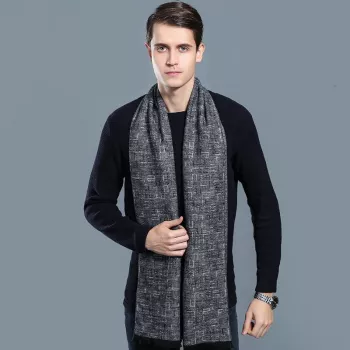
Luxurious Plaid Men’s Cashmere Scarf: Warmth, Style, and Everyday Versatility
A plaid cashmere scarf can elevate cold-weather outfits while delivering lightweight warmth. The right scarf feels soft against the neck, layers easily under outerwear, and adds just enough pattern to make simple winter basics look intentional. Below is a practical guide to choosing a men’s cashmere scarf, styling a plaid pattern for casual and dressier settings, and caring for cashmere so it stays comfortable season after season. For more guidance, see NWOT MENS BURBERRY CASHMERE PLAID SCARF.
Why a Plaid Cashmere Scarf Works So Well
Some accessories look great but feel fussy. A plaid cashmere scarf is the opposite: it’s functional first, with style built in. For further reading, see Classic Plaid Cashmere Scarf.
- Natural insulation: Cashmere’s fine fibers trap warmth effectively without the bulk of heavier knits.
- Plaid adds structure: A clean plaid grid brings visual interest to solid coats, sweaters, and jackets.
- Easy outfit upgrade: One scarf can tie together neutral layers (think navy, charcoal, camel, black, or cream).
- Comfort factor: A soft scarf helps reduce irritation compared with rougher wool blends, especially around the neck and jawline.
- Gift-friendly staple: Classic patterning works across age ranges and personal styles.
For a quick background on why cashmere has such a strong reputation as a luxury fiber, see Britannica’s overview of cashmere.
What Makes Cashmere Feel Luxurious
“Soft” can mean different things from one scarf to another. A few construction details make the difference between a scarf that merely looks good and one that feels great every time it’s wrapped.
- Fiber fineness matters: Finer fibers generally feel smoother and less prickly against the neck.
- Loft and density: A well-balanced weave can feel airy while still holding warmth close to the body.
- Finish and handfeel: Good finishing can increase softness, but the scarf should still feel resilient (not flimsy).
- Edge quality: Clean hems and tidy fringe help improve drape and reduce excessive shedding over time.
Quick Checklist: Details That Signal a Better Scarf
| Feature | What to notice | Why it matters |
|---|---|---|
| Softness on first touch | Smooth, gentle feel without scratch | Comfort for all-day wear |
| Drape | Falls naturally without stiffness | Looks refined; layers better under coats |
| Weave/knit evenness | Consistent texture, no thin patches | Improves durability and warmth |
| Edge finishing | Neat hem or well-set fringe | Helps prevent unraveling and fraying |
| Pilling risk | Minimal fuzz after light rubbing | Keeps a polished look longer |
Picking the Right Plaid for Your Wardrobe
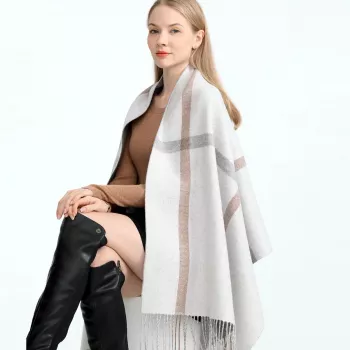
Plaid can be bold, quiet, classic, or modern depending on color, scale, and contrast. Choosing the right mix makes the scarf easier to wear repeatedly.
- Classic neutrals: Black/gray/navy plaids pair cleanly with most outerwear and are easy to dress up.
- Warm tones: Camel, brown, burgundy, or olive complement heritage-style coats, boots, and denim.
- Scale of pattern: Larger plaids read bolder; smaller plaids are more subtle and office-friendly.
- Contrast level: High-contrast plaid draws attention to the face; low-contrast feels understated and minimal.
- Seasonal flexibility: Mid-weight scarves transition well from fall layering to winter cold snaps without feeling overdone.
If most of your outerwear is solid (navy peacoat, charcoal topcoat, black puffer), you can handle more plaid contrast. If your coat already has texture (herringbone, donegal, heavy tweed), a smaller-scale or lower-contrast plaid usually looks more balanced.
How to Wear a Plaid Cashmere Scarf (No-Fuss Styling)
A scarf should make getting dressed easier. These simple wraps work with most coat collars and won’t look over-styled.
- The simple drape: Fold the scarf in half, place around the neck, and let the ends hang. It creates a clean vertical line and shows the plaid without extra bulk.
- The once-around wrap: Loop once around the neck, leaving the ends to fall naturally. Warmth increases without crowding the collar.
- The tucked wrap: Wrap, then tuck the ends inside a topcoat. This looks streamlined and blocks wind across the chest.
- The tailored look: Pair with a wool overcoat, leather gloves, and a minimal knit beanie for a refined winter uniform.
- Casual weekend: Wear with a denim jacket under a coat, or contrast a plaid cashmere scarf against a puffer for an elevated off-duty vibe.
For a subtle finishing touch that still feels personal, add texture below the hemline—like Retro Japanese Style Cotton Socks—and keep everything else clean and neutral.
Care and Storage for Long-Lasting Softness
For a dependable care baseline that also applies to delicate woolens, review The Woolmark Company’s care guidance.
A Budget-Friendly Option with a Polished Look
If you want the classic look of cashmere without overthinking your winter accessories, Luxurious Plaid Men’s Cashmere Scarf offers an easy way to add a timeless cold-weather staple at a value price. The plaid styling works with casual layering and sharper outerwear alike, and it’s the kind of piece that can handle commuting, travel, and weekends with the same effortless finish.
FAQ
How can a cashmere scarf be cleaned without ruining it?
Wash infrequently and start with spot-cleaning using cool water and a gentle wool/cashmere cleanser. When a full wash is needed, hand-wash in cool water with minimal agitation, press water out with a towel (don’t wring), and dry flat; de-pill lightly only as needed.
Do plaid scarves look too busy with patterned coats?
They can if the scales and contrasts fight each other. A simple rule is to pair a bold, high-contrast plaid with a solid coat, or choose a smaller-scale, lower-contrast plaid when your outerwear already has pattern or heavy texture.
What’s the best way to wear a scarf with a topcoat on windy days?
Use a tucked wrap or a snug once-around wrap to keep warmth close and prevent the ends from flapping. Tucking the ends inside the coat also adds coverage at the chest and helps block drafts at the collar.








Leave a comment